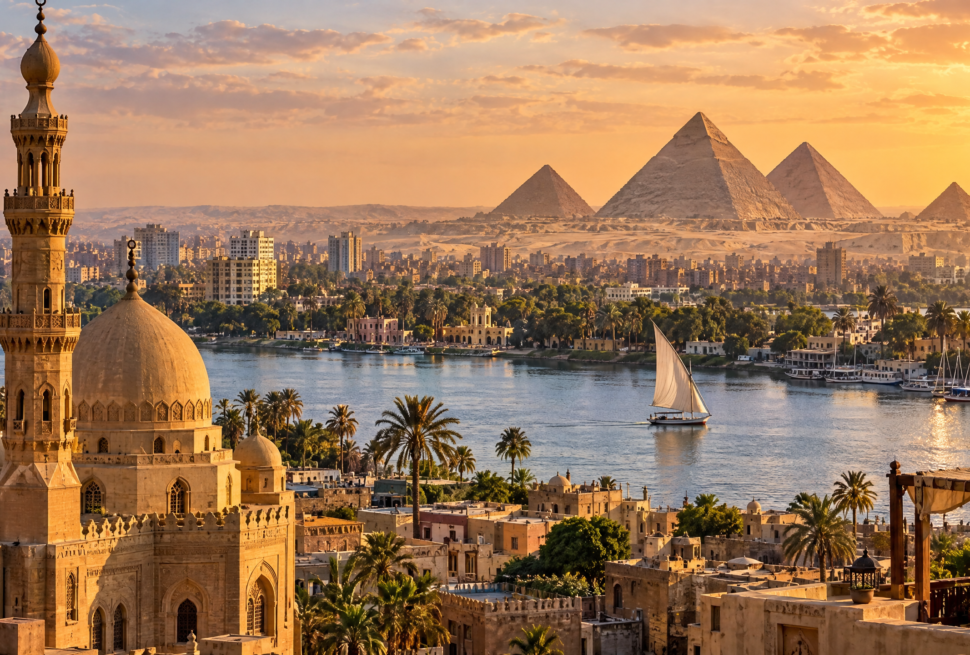

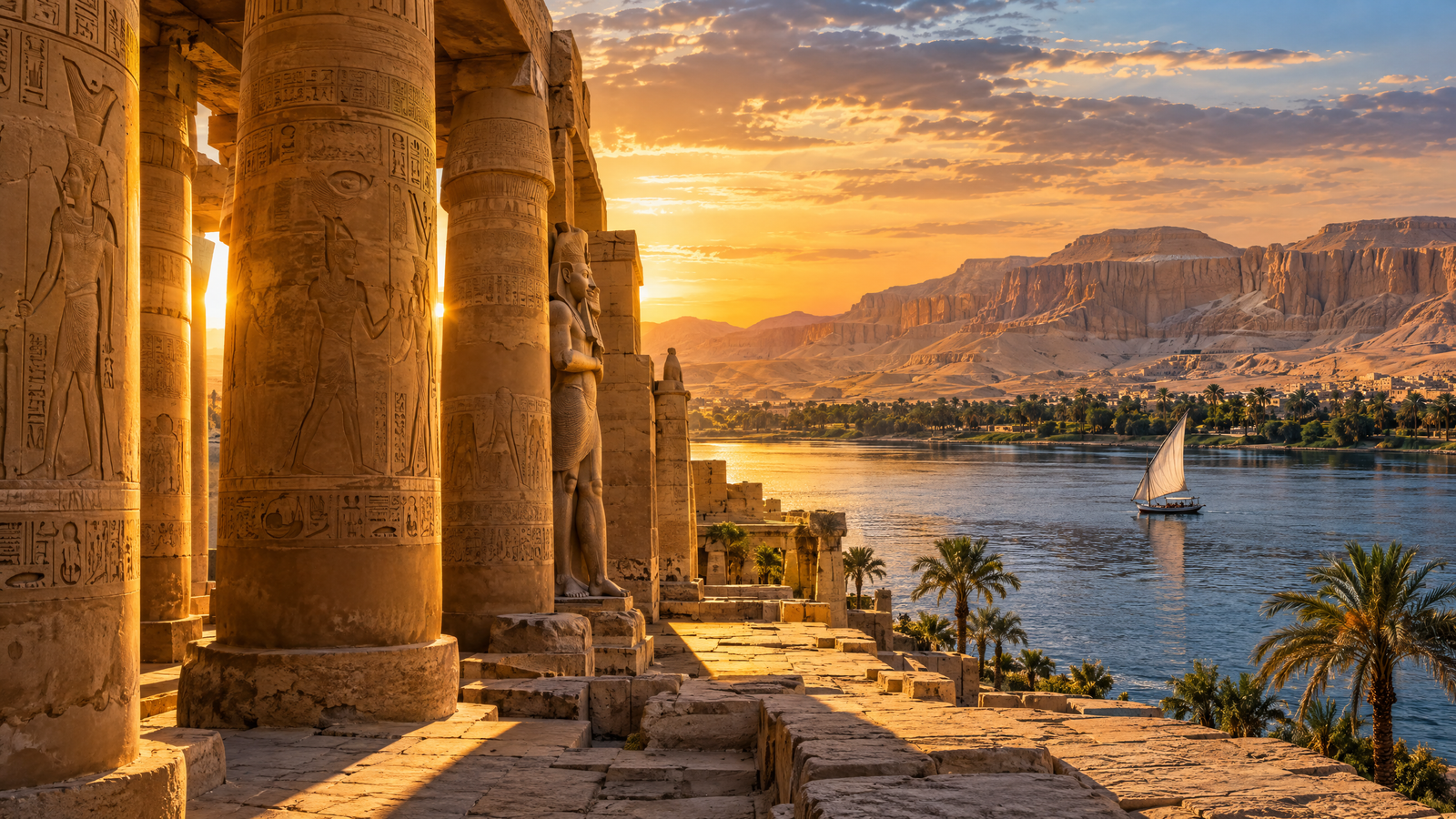
Looking for the best things to do in Luxor? Set on both banks of the Nile, Luxor brings together monumental temples, decorated royal tombs, museums, river journeys, and the everyday life of a modern Egyptian city. The historic landscape is part of the UNESCO-listed property of Ancient Thebes with its Necropolis: Karnak and Luxor temples stand on the East Bank, while a broad archaeological zone stretches across the West Bank.
The key to enjoying Luxor is planning by location. Visit East Bank sites together, then devote another day to the West Bank, where tombs and temples are spread across a wide area. Here are 25 ideas, including nearby excursions, plus practical notes to help you build a realistic itinerary.
East Bank: temples, museums, and the city
1. Explore Karnak Temple Complex
Karnak is one of Luxor’s essential visits: a vast religious complex shaped by successive rulers over many centuries. Allow several hours to walk through its courts, gateways, obelisks, and monumental spaces. UNESCO identifies Karnak as one of the major temple complexes of Ancient Thebes. Check the official ticket portal for current access, tickets, and any closed areas.
2. Stand beneath the columns in the Great Hypostyle Hall
Within Karnak, the Great Hypostyle Hall is a highlight in its own right. Its densely arranged columns create an extraordinary sense of scale. Take time to look closely at the carved and painted details, and follow site rules about barriers and restricted areas.
3. Visit Luxor Temple
Luxor Temple sits closer to the modern city and is especially atmospheric when illuminated after dark. It was part of the ancient Theban landscape alongside Karnak, though the two sites have distinct layouts and histories. Check its latest opening and ticket information before visiting; evening access and arrangements can change.
4. Walk the Avenue of Sphinxes
The restored processional route linking Karnak and Luxor Temple offers a sense of how the two monumental sites relate to one another. You do not have to walk its full length to appreciate the experience; choose a section that fits your schedule and energy. Follow any temporary access instructions on the day.
5. Return to Luxor Temple after sunset
If your schedule allows, seeing Luxor Temple in daylight and again in the evening gives the visit a different mood. The lighting emphasizes the columns and statues, while the surrounding city remains close by. Confirm the current evening opening schedule rather than assuming the site is open late every night.
6. Visit Luxor Museum
Luxor Museum is a manageable complement to the city’s larger outdoor sites. Museum displays can help put the monuments and artifacts into context without requiring another full day. Verify current hours and ticket arrangements through official channels before setting out.
7. Explore the Mummification Museum
This small museum introduces the materials, beliefs, and techniques associated with mummification in ancient Egypt. It is a useful visit if you are curious about burial practices before exploring the royal tombs on the West Bank. Check current access and opening information before you go.
8. Browse Luxor’s local market streets
Luxor’s market area is a place to browse spices, textiles, souvenirs, and everyday goods. It can be lively, particularly in the evening. Ask permission before photographing people, compare prices, and agree on costs in advance when items are not marked.
River experiences and slower moments
9. Take a felucca ride on the Nile
A felucca ride offers a slower way to see the river, especially near sunset. Agree on the route, duration, and total price before boarding, and choose an operator you are comfortable with. The Egyptian tourism authority lists feluccas and local boats among ways to experience the Nile.
10. Cross between the East and West Banks by local ferry
A public or local ferry crossing can be a simple, scenic part of the trip. It also gives you a different view of Luxor’s relationship with the river. Confirm the current boarding point and operating times locally, and use a licensed vehicle or organized transfer to reach dispersed West Bank sites.
11. Watch the Nile from the Corniche
Set aside time for an unhurried walk along the East Bank Corniche. It is an easy way to take a break between archaeological visits, watch boats on the river, and see the city at a more everyday pace. Go in cooler parts of the day if temperatures are high.
12. Consider a sunrise hot-air balloon flight
A balloon flight over the West Bank can offer a memorable aerial perspective on the Nile Valley and surrounding landscape. Flights are weather-dependent and can be cancelled or delayed; sunrise departure is very early. Book with a properly licensed operator, check what is included, and follow the operator’s safety briefing. Do not build an essential onward connection around a flight that may be weather-cancelled.
13. Take a multi-day Nile cruise through Luxor
Luxor is a common starting or ending point for Nile cruises to or from Aswan. The Egyptian tourism authority notes that many cruises operate between Luxor and Aswan, with itineraries and durations varying by boat and schedule. Compare the route, included excursions, cabin, meals, transport, and cancellation conditions before booking.
14. See Karnak’s Sound and Light Show, if operating
The evening show at Karnak combines narration, lighting, and the temple setting. Performance schedules, language options, and availability can change, so check the official or authorized ticket source for your dates. Consider whether the show suits your interests and energy after a day of walking.
West Bank: tombs, temples, and ancient villages
15. Explore the Valley of the Kings
The Valley of the Kings is one of Luxor’s most celebrated archaeological sites. The royal necropolis is part of the UNESCO Ancient Thebes property. Standard admission generally covers a selection of open tombs, while certain tombs may require an additional ticket or have separate access rules. Check current ticket information and closures before you travel.
16. Enter the Tomb of Tutankhamun
Tutankhamun’s tomb is a famous, compact visit that many travelers choose to add to their Valley of the Kings route. It may require a separate ticket from general admission, and access conditions can change. Check the current official ticket portal before promising it as part of a tour.
17. See another royal tomb beyond the headline names
The Valley of the Kings contains many tombs with different decoration and preservation. Rather than trying to see every open tomb, ask a qualified guide which ones are accessible and best match your interests that day. Open tombs rotate and may be closed for conservation or other reasons.
18. Visit the Temple of Hatshepsut at Deir el-Bahari
The mortuary temple of Hatshepsut is dramatically set against the cliffs at Deir el-Bahari. UNESCO highlights its tiered terraces and colonnades among the notable monuments on the Theban West Bank. Visit early if possible, bring sun protection, and allow time for the approach from the parking and ticket area.
19. See the Colossi of Memnon
The Colossi of Memnon are two monumental seated statues that make a convenient short stop on a West Bank route. They are often visited while travelling between other sites. Use the stop to appreciate the scale and setting rather than expecting a long visit.
20. Explore Medinet Habu
Medinet Habu is a major temple complex on the West Bank and a rewarding addition for travelers who want to go beyond the most famous stops. Its large scale and reliefs can make it an excellent guided visit. Check which areas are open and arrange transport as part of a West Bank circuit.
21. Visit the Valley of the Queens
The Valley of the Queens offers a different royal burial landscape from the Valley of the Kings. Its tombs and access arrangements vary, and the best-known tombs may have separate ticketing or limited admission. Check current availability before setting your expectations.
22. Check whether Nefertari’s tomb is open
The tomb of Queen Nefertari is renowned for its richly decorated interior, but access is controlled and can change. It may require a special ticket, and it may not be open on every date. Verify availability and photography rules through the official ticket channel before making plans.
23. Walk through Deir el-Medina, the workers’ village
Deir el-Medina preserves the remains of the settlement associated with artisans who worked on royal tombs. Its smaller scale gives a different perspective from the royal monuments: visitors can consider the community behind the tomb-building tradition. Combine it with other West Bank sites when transport is arranged.
24. Visit the Ramesseum
The Ramesseum, the mortuary temple associated with Ramesses II, is another worthwhile West Bank stop for visitors with time for a fuller archaeological itinerary. It is less commonly included in rushed routes, which can make it appealing to travelers who want to explore beyond the main headline sites. Check access and current ticketing before visiting.
Nearby excursion
25. Take a day trip to Dendera Temple
Dendera, in Qena Governorate north of Luxor, makes a popular excursion for travelers with an extra day. Its Temple of Hathor is known for its monumental architecture and decorated interior. Dendera is not in Luxor itself, so plan the drive and entry details in advance with an authorized operator or driver, and verify current opening and access arrangements.
How many days do you need in Luxor?
•One full day: Focus on Karnak and Luxor Temple, or choose a West Bank route. Trying to fit every major site into one day will feel rushed.
•Two days: Spend one day on the East Bank and one on the West Bank. Add a felucca ride or evening visit if timing allows.
•Three days: Add museums, more tombs, a balloon flight or Nile cruise, and a slower city experience.
•Four days or more: Consider a Dendera excursion or a longer Nile itinerary, while keeping time for rest and transport.
Practical tips for visiting Luxor
•Plan by bank: Karnak, Luxor Temple, and the main museums are on the East Bank; most tombs and mortuary temples are on the West Bank. Group nearby sites to reduce backtracking.
•Verify tickets and access: Tombs, special-ticket sites, hours, and photography rules can change. Use the Ministry of Tourism and Antiquities’ official Egypt monuments portal for current listings and ticket links.
•Start outdoor visits early: Archaeological sites involve sun exposure and walking over uneven ground. Bring water, sun protection, and comfortable shoes.
•Hire transport for the West Bank: Sites are spread out. Arrange a reputable driver or licensed guide and agree on the route and price in advance.
•Respect the monuments: Do not touch decorated surfaces, cross barriers, or use flash where prohibited. Follow the instructions of site staff.
•Build flexibility into outdoor plans: Balloon flights and river activities depend on weather and operating conditions.
Frequently asked questions about things to do in Luxor
What is Luxor best known for?
Luxor is best known for the temples of Karnak and Luxor on the East Bank and the royal necropolises and mortuary temples on the West Bank. Together, these sites form part of UNESCO’s Ancient Thebes with its Necropolis property.
Is one day enough to visit Luxor?
One day is enough for a focused visit to a few major sites, but two full days provide a more comfortable balance between the East and West Banks. Add more time for museums, additional tombs, a river activity, or Dendera.
Which is better, the East Bank or West Bank?
Neither is better; they offer different experiences. The East Bank is known for Karnak and Luxor temples, while the West Bank has royal tombs, mortuary temples, and archaeological landscapes. If possible, visit both.
Can I visit Valley of the Kings and Hatshepsut Temple in one day?
Yes, many travelers group these West Bank sites in one day, often with other nearby stops. Allow enough time for transfers and ticket checks, and confirm which tombs and areas are open on your date.
Is a hot-air balloon ride in Luxor guaranteed?
No. Balloon flights depend on weather and operational approval and may be cancelled. Choose a reputable licensed operator, follow the safety briefing, and keep your plans flexible.
Do I need a guide in Luxor?
A guide is not essential for every traveler, but one can add historical context and help coordinate transport between dispersed sites. Check credentials, itinerary, inclusions, and fees before booking.
Plan your Luxor visit
The best things to do in Luxor range from the colossal spaces of Karnak to the decorated tombs of the West Bank and quieter moments on the Nile. Plan by bank, check official opening and ticket information, and leave enough time to experience each site rather than rushing through a long checklist.
Planning a guided Luxor trip? Browse our Luxor tours and Egypt experiences or contact us with your dates and interests. We can help you choose a realistic East Bank, West Bank, or Nile itinerary.