
15 Best Things to Do in Aswan, Egypt
Aswan is one of the most beautiful destinations in southern Egypt.
Additionally, it offers a unique combination of ancient Egyptian temples, Nubian culture, peaceful Nile landscapes, and unforgettable river experiences.
If history, photography, cultural discoveries, or relaxing boat trips interest you, explore Aswan. Things to Do in Aswan offer a range of options for every traveler.
There are many amazing things to do in Aswan.
Located along the banks of the Nile River, Aswan has a different atmosphere from Cairo and Luxor.
Life moves at a slower pace here.
Things to Do in Aswan reflect this calm.
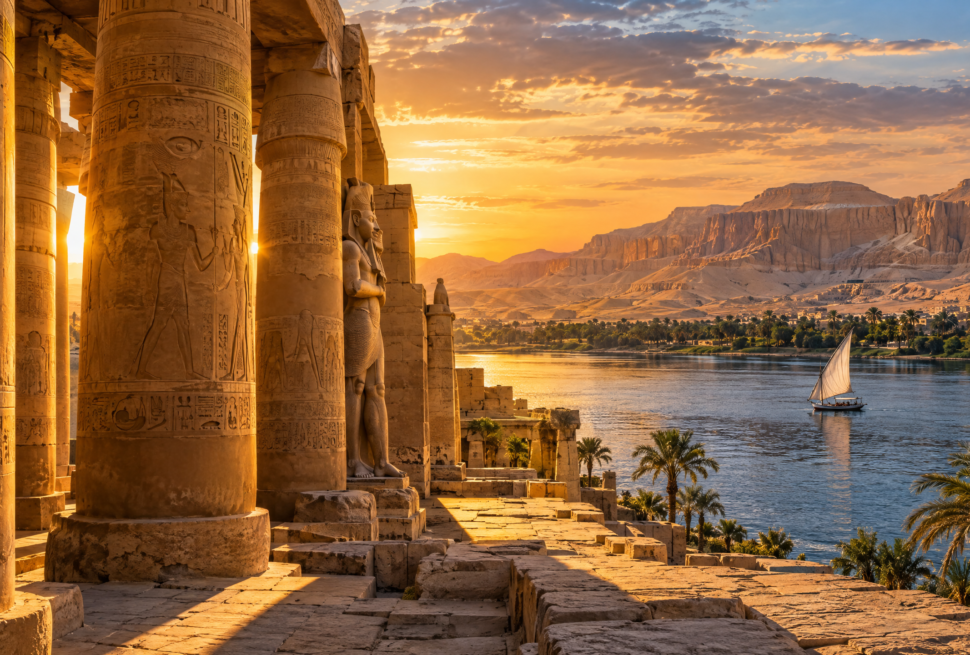
Traditional felucca boats sail between granite islands.
Colorful Nubian villages line the riverbanks.
Magnificent ancient monuments tell stories that go back thousands of years.
Many visitors seek things to do in Aswan.
Popular experiences include visiting Philae Temple, one of the Things to Do in Aswan that travelers often add to their itineraries.
Additionally, take a day trip to Abu Simbel, explore a traditional Nubian village, and sail on a felucca at sunset.
Finally, discover the Nubian Museum’s fascinating history.
If you are planning a visit, this guide covers the 15 best things to do in Aswan, Egypt.
Additionally, it includes practical tips to help you make the most of your time in this remarkable destination.
Quick Guide: What Are the Best Things to Do in Aswan?
If you are short on time, here are some of the experiences you should prioritize during your visit:
| Experience | Why Visit? |
|---|---|
| Philae Temple | Discover one of Egypt’s most beautiful island temples |
| Abu Simbel Temples | See the monumental temples of Ramses II |
| Felucca Sailing | Enjoy the Nile and spectacular sunset views |
| Nubian Village | Experience traditional Nubian culture |
| Nubian Museum | Learn about the history of Nubia |
| Unfinished Obelisk | Discover ancient Egyptian stone-cutting techniques |
| Aswan High Dam | Explore an important modern Egyptian landmark |
| Elephantine Island | Discover ancient ruins and Nile scenery |
| Kitchener’s Island | Relax in a beautiful botanical garden |
| Aswan Souk | Shop for spices, souvenirs, and local products |
How many days do you need in Aswan? Ideally, spend two to three days exploring the city’s main attractions. If you also want to visit Abu Simbel, consider adding an extra day or planning a dedicated excursion.
1. Visit the Beautiful Philae Temple
Philae Temple is one of the most impressive historical attractions in Aswan and a must-see destination for anyone interested in ancient Egyptian civilization.
Dedicated primarily to the goddess Isis, the temple complex features beautifully decorated columns, impressive stone gateways, ancient inscriptions, and remarkable architectural details. Its island setting makes the experience even more special.
One of the most fascinating aspects of Philae Temple is its relocation. Following the construction of the Aswan High Dam, rising water levels threatened to submerge the ancient monuments. An international UNESCO-led campaign successfully moved the temple complex stone by stone to Agilkia Island, where visitors can explore it today.
What makes Philae Temple special?
- Its beautiful location surrounded by the Nile.
- The impressive Temple of Isis and its decorated columns.
- The opportunity to explore ancient Egyptian religious architecture.
- The scenic motorboat journey to the island.
- Excellent photography opportunities, especially in the morning.
Travel Tip: You must take a motorboat from the nearby landing point to reach the temple. Allow approximately two hours for the complete visit, including the boat transfer.
2. Take a Day Trip to Abu Simbel Temples
A visit to Abu Simbel is one of the most unforgettable experiences you can have while staying in Aswan.
Located approximately 280–300 kilometers south of Aswan, near Egypt’s southern border, Abu Simbel is home to two magnificent rock-cut temples commissioned by Pharaoh Ramses II.
The Great Temple is famous for its four enormous seated statues of Ramses II carved directly into the mountainside. Nearby, the smaller temple is dedicated to Queen Nefertari and the goddess Hathor.
The temples are also famous for their remarkable solar alignment. Twice a year, traditionally on February 22 and October 22, sunlight enters the sanctuary of the Great Temple and illuminates several of its statues.
Like Philae, Abu Simbel was relocated through an international UNESCO-led rescue campaign to protect it from the rising waters of Lake Nasser after the construction of the High Dam.
Why should you visit Abu Simbel?
- See some of the largest ancient Egyptian statues.
- Explore two extraordinary rock-cut temples.
- Discover the history of Ramses II and Queen Nefertari.
- Learn about one of the world’s most remarkable archaeological rescue projects.
- Enjoy the impressive desert scenery surrounding Lake Nasser.
Travel Tip: Most visitors travel from Aswan by private vehicle or organized tour. The journey takes approximately 3–4 hours each way, so an early departure is recommended. A full day should be reserved for this excursion.
3. Enjoy a Traditional Felucca Ride on the Nile
If you are looking for a relaxing experience, sailing on a traditional felucca is one of the best things to do in Aswan.
A felucca is a traditional wooden sailing boat with a large white sail, commonly used on the Nile. Unlike motorboats, feluccas rely on the wind, offering a peaceful way to enjoy the river and its surrounding landscapes.
During your trip, you can sail past granite islands, palm-lined riverbanks, traditional villages, and beautiful Nile scenery.
Sunset is particularly special because the sky gradually changes color as the sun disappears behind the desert hills.
What can you enjoy during a felucca trip?
- Beautiful views of the Nile River.
- Peaceful sailing between Aswan’s islands.
- Photography opportunities.
- A relaxing escape from busy sightseeing schedules.
- Spectacular sunset scenery.
Travel Tip: A one- to two-hour sailing experience is a great choice for most visitors. Agree on the route, duration, and total price before departure.
4. Explore a Traditional Nubian Village
Exploring a Nubian village is an excellent opportunity to discover one of Egypt’s most distinctive cultural communities.
Nubian culture has a long history in southern Egypt and northern Sudan, with its own traditions, architecture, music, language, and distinctive artistic style.
One of the most popular places to experience this culture is Gharb Soheil, a colorful village located south of Aswan along the Nile.
The village is famous for its brightly painted houses, decorated entrances, traditional patterns, and welcoming atmosphere.
Visitors can walk through its streets, enjoy traditional Nubian hospitality, discover handmade souvenirs, and taste local dishes.
Things to experience in a Nubian village:
- Explore colorful traditional houses.
- Learn about Nubian customs and traditions.
- Enjoy authentic Nubian food.
- Visit local craft and souvenir shops.
- Take photographs of the village and Nile scenery.
- Enjoy traditional tea and local hospitality.
Travel Tip: A boat trip to Gharb Soheil makes the experience even more enjoyable. Consider visiting in the late afternoon when temperatures are more comfortable.
5. Discover Nubian History at the Nubian Museum
For travelers interested in history and culture, the Nubian Museum is one of the most worthwhile attractions in Aswan.
The museum presents the history and heritage of Nubia, covering different periods from prehistoric times through ancient Egyptian civilization and later historical eras.
Its exhibitions include archaeological discoveries, traditional clothing, pottery, jewelry, tools, and objects that illustrate the everyday lives of Nubian communities.
The museum also helps visitors understand how the construction of the Aswan High Dam changed the region and affected Nubian settlements.
Why visit the Nubian Museum?
- Discover the history of ancient Nubia.
- Explore archaeological artifacts and traditional objects.
- Understand the relationship between Egyptian and Nubian civilizations.
- Learn about Nubian traditions and cultural heritage.
- Enjoy an informative indoor activity during hot afternoons.
Travel Tip: Allow around one to two hours for your visit. It is an excellent addition to a sightseeing itinerary that includes Philae Temple and the High Dam.
6. See the Unfinished Obelisk
The Unfinished Obelisk is one of the most fascinating archaeological sites in Aswan because it provides a rare look at how ancient Egyptians worked with enormous blocks of granite.
Located in the ancient granite quarries, this unfinished monument is believed to have been commissioned during the reign of Queen Hatshepsut.
If completed, it would have been one of the largest obelisks ever constructed, measuring approximately 42 meters in length and weighing more than 1,000 tons.
The monument was abandoned after a crack appeared in the granite during the carving process. Today, it remains attached to the bedrock, allowing visitors to examine the techniques used by ancient Egyptian craftsmen.
Highlights of the visit:
- See the enormous unfinished granite monument.
- Understand ancient stone-cutting techniques.
- Discover how obelisks were carved from natural rock.
- Explore the historic granite quarry.
- Learn about the engineering skills of ancient Egyptians.
Travel Tip: This attraction is relatively close to central Aswan and can easily be combined with Philae Temple and the High Dam.
7. Visit the Aswan High Dam
The Aswan High Dam is one of the most important modern engineering projects in Egypt.
Completed in the 1970s, the dam was constructed across the Nile River to control flooding, regulate water supplies, support agriculture, and generate hydroelectric power.
Its construction also created Lake Nasser, one of the world’s largest artificial lakes.
Although it is very different from the ancient temples around Aswan, the High Dam offers an interesting perspective on modern Egyptian history and the country’s relationship with the Nile.
What can you see at the High Dam?
- Impressive views of Lake Nasser.
- The enormous structure of the dam.
- The surrounding desert landscape.
- An important part of Egypt’s modern development story.
Travel Tip: Many organized Aswan sightseeing tours combine the High Dam with the Unfinished Obelisk and Philae Temple, making it convenient to visit all three in one day.
8. Explore Elephantine Island
Elephantine Island is one of the most historically significant places in Aswan.
Located in the middle of the Nile, the island was once an important trading and administrative center because of its strategic position near Egypt’s southern frontier.
Its archaeological remains include ancient settlements, temples dedicated to the gods Khnum and Satet, and a historic Nilometer used to measure the level of the Nile.
Beyond its archaeological importance, Elephantine Island offers a quieter atmosphere with traditional settlements, palm trees, and beautiful views of the river.
Best things to discover on Elephantine Island:
- Ancient archaeological remains.
- The historic Nilometer.
- Traditional island communities.
- Scenic Nile views.
- Interesting connections between ancient Egypt and Nubia.
Travel Tip: You can reach the island by local boat. Combine your visit with a felucca ride or a trip to Kitchener’s Island.
9. Relax at Aswan Botanical Garden on Kitchener’s Island
If you need a break from visiting temples and archaeological sites, the Aswan Botanical Garden is a wonderful place to relax.
Located on Kitchener’s Island in the Nile, the garden features a diverse collection of tropical and subtropical plants, including palm trees, flowering plants, and exotic species from different parts of the world.
The island was developed as a botanical garden during the British colonial period and is now one of Aswan’s most attractive green spaces.
Walking through its shaded paths offers a peaceful contrast to the surrounding desert landscape.
Reasons to visit:
- Discover a wide variety of tropical plants.
- Enjoy peaceful walking paths.
- Take beautiful photographs.
- Relax in a green environment.
- Admire the Nile from a different perspective.
Travel Tip: Visit during the morning or late afternoon for a more comfortable experience. You can reach the garden by motorboat.
10. Shop at the Aswan Souk
The Aswan Souk is one of the best places to experience everyday local life and discover traditional Egyptian products.
Walking through its lively streets, you will find shops selling colorful spices, handmade crafts, traditional clothing, perfumes, jewelry, souvenirs, and Nubian products.
The market is particularly famous for its aromatic spices and herbs, making it an interesting destination for visitors who enjoy discovering local flavors.
What should you look for at the Aswan Souk?
- Traditional Nubian souvenirs.
- Egyptian spices and herbs.
- Handmade jewelry.
- Perfumes and essential oils.
- Colorful textiles and traditional clothing.
- Local handicrafts and decorative items.
Travel Tip: Bargaining is common in many market shops. Take your time, compare prices, and enjoy the lively atmosphere rather than rushing through the market.
11. Discover the Beautiful Kalabsha Temple
Kalabsha Temple is an impressive ancient monument located near the Aswan High Dam, overlooking Lake Nasser.
Dedicated primarily to the Nubian god Mandulis, the temple dates mainly to the Roman period, although its architectural style follows traditional Egyptian temple design.
One of its most remarkable features is its location. Like several other Nubian monuments, Kalabsha was relocated to protect it from the rising waters created by the High Dam.
The temple is generally less crowded than Philae, making it an appealing destination for travelers looking for a quieter historical experience.
Highlights include:
- Beautiful ancient Egyptian-style architecture.
- Detailed stone carvings and inscriptions.
- Views of Lake Nasser.
- An interesting story of archaeological preservation.
- A less crowded alternative to some of Aswan’s major attractions.
Travel Tip: Check the available boat arrangements and site access before visiting, as reaching the temple requires transportation to its island location.
12. Visit the Tombs of the Nobles at Qubbet el-Hawa
Located on the western bank of the Nile, the Tombs of the Nobles offer an interesting opportunity to explore the lives of ancient Egyptian governors, officials, and influential families.
The tombs were carved into the rocky hillside overlooking the Nile and date mainly to the Old Kingdom and later periods.
Inside some of the tombs, visitors can discover wall paintings and inscriptions depicting everyday activities, agricultural scenes, religious practices, and historical events.
The location is also famous for its panoramic views of Aswan and the surrounding desert landscape.
Why visit Qubbet el-Hawa?
- Explore ancient rock-cut tombs.
- Discover the lives of ancient Egyptian officials.
- See historical wall paintings and inscriptions.
- Enjoy impressive views of the Nile.
- Experience a quieter archaeological site.
Travel Tip: Be prepared for steps and uneven terrain when visiting the hillside. Comfortable walking shoes are recommended.
13. Explore the Monastery of St. Simeon
The Monastery of St. Simeon is one of the most interesting historical landmarks on the western bank of Aswan.
Dating mainly to the early medieval Christian period, this desert monastery offers a fascinating look at the history of Christianity in southern Egypt.
The complex contains remains of religious buildings, living quarters, courtyards, and other structures that once supported a community of monks.
Its isolated position between the desert hills and the Nile gives it a distinctive atmosphere.
What makes the monastery worth visiting?
- Discover an important part of Egypt’s Christian heritage.
- Explore the remains of a historic desert monastery.
- See ancient architectural features.
- Enjoy the surrounding desert scenery.
- Combine history with a scenic West Bank excursion.
Travel Tip: The monastery can be reached by boat followed by a walk or other local transport arrangements. Ask about the walking route before setting out, especially during hot weather.
14. Take a Day Trip to Kom Ombo Temple
Although Kom Ombo is located north of Aswan, it is an excellent excursion for travelers who have additional time in the region.
The temple is unusual because it is dedicated to two different gods: Sobek, the crocodile god, and Horus the Elder, also known as Haroeris.
Its symmetrical design includes two entrances, two sanctuaries, and two sets of religious spaces, reflecting its dual dedication.
Another interesting feature is the nearby Crocodile Museum, which displays mummified crocodiles and artifacts connected to the worship of Sobek.
Things to see at Kom Ombo:
- The remarkable twin temple design.
- Ancient hieroglyphic inscriptions.
- The famous reliefs showing medical instruments.
- The Crocodile Museum.
- Beautiful views overlooking the Nile.
Travel Tip: Kom Ombo is approximately 45–50 kilometers north of Aswan. It is frequently included in Nile cruise itineraries between Aswan and Luxor, making it easy to visit as part of a longer river journey.
15. Experience the Philae Temple Sound and Light Show
If you are looking for something special to do in Aswan after sunset, the Philae Temple Sound and Light Show is an experience worth considering.
The show brings the ancient temple to life through illuminated monuments, music, narration, and visual effects that tell the story of Isis, Osiris, and the history of Philae.
As visitors walk through the illuminated temple complex, the narration introduces important ancient Egyptian myths and explains the historical significance of the site.
It is a different way to experience Philae compared with a daytime visit, particularly for travelers who enjoy history and photography.
Why consider the evening show?
- See Philae Temple beautifully illuminated.
- Discover ancient Egyptian mythology.
- Enjoy a different atmosphere after sunset.
- Experience the temple without the strong daytime heat.
Travel Tip: Show schedules and available languages can vary, so check the current performance timetable and ticket arrangements before planning your evening.
Best Time to Visit Aswan, Egypt
The best time to visit Aswan is generally between October and April, when temperatures are more comfortable for outdoor sightseeing and exploring ancient monuments.
Aswan has a hot desert climate, with extremely high temperatures during the summer months. If you are planning to visit temples, archaeological sites, or Nubian villages, choosing the right season can make a significant difference to your experience.
| Season | Weather | Travel Recommendation |
|---|---|---|
| October–November | Warm and pleasant | Excellent for sightseeing |
| December–February | Mild winter weather | Ideal for exploring temples |
| March–April | Warm and sunny | Very good for Nile activities |
| May–September | Extremely hot | Plan outdoor activities early |
Best months overall: November, December, January, February, and March are particularly attractive for most international travelers.
How Many Days Do You Need in Aswan?
The ideal length of stay depends on how many attractions you want to explore and whether you plan to visit Abu Simbel.
Here is a suggested itinerary:
| Duration | Suggested Activities |
|---|---|
| 1 Day | Philae Temple, High Dam, Unfinished Obelisk, and sunset felucca |
| 2 Days | Add the Nubian Village, Nubian Museum, Botanical Garden, and Aswan Souk |
| 3 Days | Add Abu Simbel as a dedicated day trip |
| 4 Days | Explore Kalabsha, Elephantine Island, the West Bank, and additional Nile experiences |
Suggested 2-Day Aswan Itinerary
Day 1: Ancient Aswan and Nile Experiences
- Morning: Visit Philae Temple.
- Late morning: Explore the Aswan High Dam.
- Afternoon: Discover the Unfinished Obelisk.
- Late afternoon: Enjoy a traditional felucca ride.
- Evening: Explore the Aswan Souk or enjoy a local dinner.
Day 2: Nubian Culture and Island Exploration
- Morning: Visit the Nubian Museum.
- Late morning: Explore Elephantine Island.
- Afternoon: Take a boat trip to a Nubian village.
- Late afternoon: Relax at the Botanical Garden.
- Evening: Enjoy a traditional Nubian meal or a Nile-side experience.
If you want to visit Abu Simbel, reserve an additional day rather than trying to combine it with a full Aswan sightseeing itinerary.
How to Get Around Aswan
Getting around Aswan is relatively straightforward, and visitors can choose from several transportation options depending on their itinerary.
| Transportation | Best For |
|---|---|
| Private Car | Visiting multiple archaeological sites |
| Taxi | Short trips around the city |
| Motorboat | Reaching islands and Nubian villages |
| Felucca | Relaxing Nile sailing experiences |
| Organized Tour | Exploring several attractions conveniently |
| Nile Cruise | Traveling between Aswan and Luxor |
For visitors who want to explore several attractions in one day, booking a private guided tour can be a convenient option. It allows you to organize transportation, sightseeing stops, and timing more efficiently.
Frequently Asked Questions About Things to Do in Aswan
1. What are the best things to do in Aswan, Egypt?
The best things to do in Aswan include visiting Philae Temple, exploring Abu Simbel, taking a traditional felucca ride on the Nile, discovering Nubian culture, visiting the Nubian Museum, and exploring the Unfinished Obelisk. These experiences offer a combination of history, culture, and beautiful natural scenery.
2. Is Aswan worth visiting?
Yes, Aswan is definitely worth visiting. It offers a unique atmosphere compared with other Egyptian destinations, combining ancient monuments, Nubian heritage, beautiful Nile landscapes, and relaxing boat experiences. It is also the main starting point for many trips to Abu Simbel.
3. How many days should I spend in Aswan?
Two to three days are ideal for most visitors. Two days allow you to explore the main attractions in Aswan, while an additional day gives you enough time to visit Abu Simbel.
4. Can I visit Abu Simbel from Aswan in one day?
Yes. Abu Simbel is a popular day trip from Aswan. The journey usually takes approximately three to four hours each way by road. Most tours depart early in the morning and return to Aswan later in the day.
5. What is Aswan famous for?
Aswan is famous for its ancient temples, Nubian culture, the Nile River, traditional felucca sailing, the Aswan High Dam, and the magnificent Abu Simbel temples. It is also known for its warm climate and relaxed atmosphere.
6. Is Aswan suitable for a Nile cruise?
Absolutely. Aswan is one of the main starting and ending points for Nile cruises between Aswan and Luxor. Travelers can explore historic temples along the river while enjoying accommodation, dining, and scenic sailing experiences.
7. What is the best time to visit Aswan?
The best time to visit Aswan is generally from October to April, when the weather is more comfortable for sightseeing and outdoor activities. Winter is particularly popular with international travelers.
8. Can I visit a Nubian village in Aswan?
Yes. Gharb Soheil is one of the most popular Nubian villages to visit. You can reach it by motorboat and explore its colorful houses, traditional crafts, local food, and distinctive cultural atmosphere.
9. Is Aswan safe for tourists?
Aswan is an established tourist destination with a long history of welcoming international visitors. As with any travel destination, visitors should follow local guidance, use reputable transportation providers, and take normal precautions when exploring unfamiliar areas.
10. What can I do in Aswan at night?
Popular evening activities include visiting the Aswan Souk, enjoying a Nile-side dinner, attending the Philae Sound and Light Show when available, and relaxing at a hotel overlooking the Nile.
Final Thoughts: Is Aswan Worth Visiting?
Aswan is a destination that deserves more than a quick stop during an Egyptian holiday. From the magnificent temples of Philae and Abu Simbel to the colorful Nubian villages and peaceful Nile sailing experiences, the city offers something for every type of traveler.
Whether you are visiting for ancient history, cultural discoveries, photography, or simply to enjoy the beauty of the Nile, Aswan provides an unforgettable experience.
For the best experience, consider combining a guided Aswan sightseeing tour with a traditional felucca ride and a dedicated day trip to Abu Simbel. This will allow you to discover the region’s most important highlights while enjoying its unique atmosphere.
Planning your trip to Aswan? Explore our Aswan day tours and private sightseeing experiences to discover the city’s most remarkable attractions with the help of experienced local guides.