
Planning a first trip to Egypt can feel like choosing between many holidays.
These experiences include ancient temples, lively cities, desert landscapes, Nile cruises, and Red Sea beaches.
This Egypt Travel Guide gathers the essentials so you can decide where to go and when to travel.
It also covers how to get around and what to check before departure.
Quick answer: For a first visit, combine Cairo and Giza with Luxor or Aswan, then add a Nile cruise or Red Sea stay if your schedule allows. Egypt’s official tourism site describes November to March as the milder winter season and May to September as summer. Check your nationality’s current visa rules and your government’s travel advice before booking, because both can change.
Why visit Egypt in 2027?
Egypt brings together some of the world’s best-known ancient sites and a wide range of modern travel experiences. You can explore Cairo’s historic neighborhoods and the Giza plateau, visit temples and tombs in Luxor, sail the Nile near Aswan, or spend time snorkeling and relaxing on the Red Sea coast. The country’s official tourism portal highlights city experiences, archaeological sites, and Red Sea diving and snorkeling among its travel offerings.
A well-planned trip does not need to cover the whole country. Distances are significant, so choosing two or three regions is often more enjoyable than trying to see everything in a few days.
Where should you go in Egypt?
Cairo and Giza
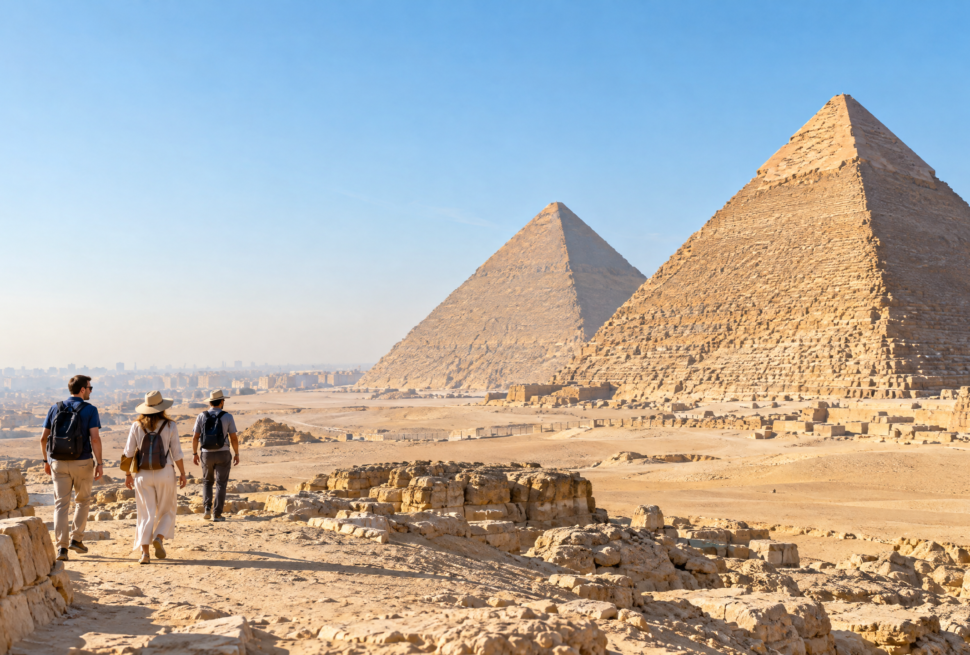
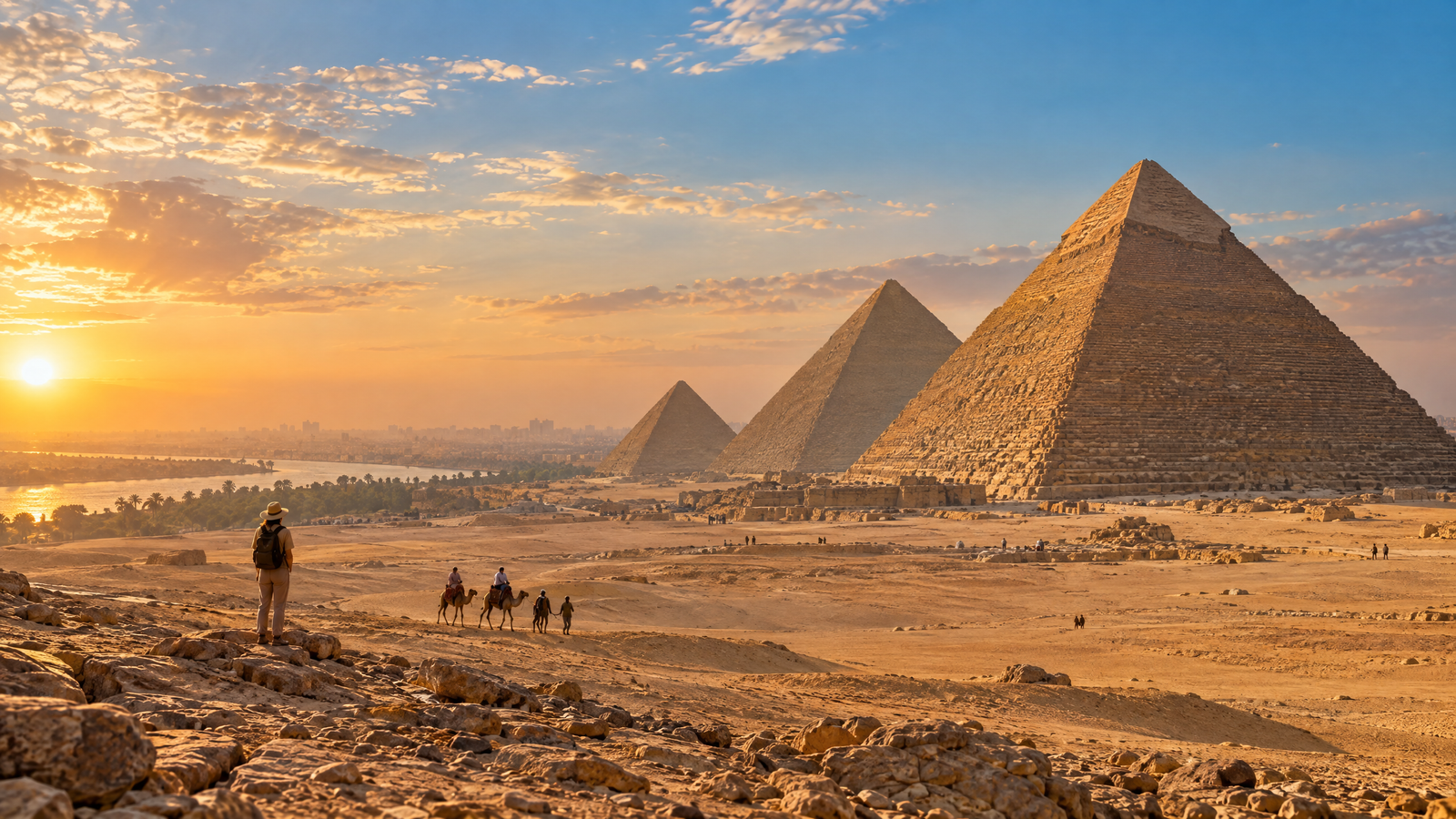
Cairo is a natural starting point for many international visitors. Plan time for the Pyramids of Giza and the Sphinx, as well as the city’s museums, markets, and historic quarters. Give yourself enough time for traffic and for the scale of the sites; a private guide or pre-arranged transfer can make a full sightseeing day easier to manage.
Luxor
Luxor is an essential stop for travelers interested in ancient Egyptian history. The city and its surrounding area offer major temples and archaeological sites on both sides of the Nile. Many visitors choose a guided day tour so they can organize transport and visit multiple sites efficiently.
Aswan
Aswan offers a slower pace, Nile scenery, and access to important southern sites. It is also a common starting or finishing point for a Nile cruise. Consider adding time here rather than treating it only as a quick stop between trains or flights.
The Red Sea
Hurghada, Sharm El Sheikh, and other Red Sea destinations appeal to travelers looking for beaches, diving, snorkeling, and resort stays. A Red Sea extension can balance a history-focused itinerary with time to rest.
Alexandria and the Mediterranean coast
Alexandria offers a different atmosphere from Cairo and Upper Egypt, with Mediterranean character and a long urban history. It can work as a separate short stay or as part of a longer northern itinerary.
When is the best time to visit Egypt?
The best time depends on your destination and tolerance for heat. Egypt’s official tourism website describes the moderate winter as running from November to March, while summer generally runs from May to September. Southern destinations and desert areas can be especially hot in summer; the Mediterranean coast and Red Sea coast have different local conditions.
For sightseeing in Cairo, Luxor, and Aswan, many travelers prefer the cooler months. If you travel in warmer weather, plan outdoor visits early in the day, take breaks, drink water, and confirm that your accommodation and transport suit the season. Check local forecasts close to departure rather than relying on a general seasonal description.
What should you know about visas and entry requirements?
Visa rules depend on your passport and travel plans. Some nationalities may be eligible for an Egyptian e-Visa or a visa on arrival, while others may need to apply through an Egyptian embassy or consulate before traveling. Do not assume that the same rule applies to every visitor.
Use the official Egypt e-Visa portal to check eligibility and application steps. The portal says eligible applicants should submit an e-Visa application at least seven days before departure. Government travel advice also recommends checking passport validity and entry requirements before travel; for example, the U.S. State Department currently lists a six-month passport-validity requirement for U.S. citizens, but requirements can differ by nationality.
Before you fly: Confirm the rules for your passport, the number of entries you need, the length of your stay, and any transit requirements. Recheck the official portal and your nearest Egyptian embassy or consulate before departure.
How do you get around Egypt?
For long distances, domestic flights can save time. Trains connect several major cities, including routes between Cairo and Alexandria and services south toward Luxor and Aswan. Intercity buses serve additional routes. The official tourism site describes these options and notes that ride-hailing apps are widely used in Greater Cairo and Alexandria.
Within cities, use a trusted ride-hailing service or agree on the fare before entering a taxi if there is no working meter. For a multi-stop sightseeing day, an organized excursion with transport can reduce the time spent arranging transfers. Always confirm departure points, pickup times, inclusions, and cancellation terms before paying.
What should you pack for Egypt?
Pack light, breathable clothing, comfortable walking shoes, sun protection, and any personal medication you need. A light layer can be useful in cooler evenings or during winter travel. When visiting mosques and other places of worship, dress modestly and follow local site guidance. The Egyptian tourism portal recommends covering shoulders and legs at places of worship and bringing sun protection for Egypt’s bright conditions.
Keep copies of your passport, visa, travel insurance, and hotel or tour confirmations in a secure place. Check airline baggage rules and any restrictions on medicines or equipment before packing.
Is Egypt safe for tourists?
Safety conditions can vary by region and can change. Read the current travel advisory issued by your own government before you travel, and follow instructions from local authorities. As one example, the U.S. State Department’s Egypt advisory identifies higher-risk areas and advises increased caution; other governments may use different advice levels and geographic boundaries. Australia’s Smartraveller also notes that higher levels of caution apply in some areas and that conditions can change.
In busy areas, keep valuables secure, use reputable transport and tour providers, and avoid demonstrations or restricted locations. Consider travel insurance that covers medical care and disruption. These are general planning steps, not a substitute for current official guidance.
How many days do you need in Egypt?
A first trip of 7 to 10 days can cover Cairo and Giza plus Luxor or Aswan, especially if you use a domestic flight or an overnight train where suitable. With 10 to 14 days, you can add more time in Upper Egypt, take a Nile cruise, or include a Red Sea stay. These are itinerary suggestions, not fixed rules; your ideal length depends on flight times, pace, and interests.
Sample 10-day Egypt itinerary
Days 1–3: Cairo and Giza, including a full day for the pyramids and time for the city.
Days 4–6: Luxor, with guided visits to key sites on both sides of the Nile.
Days 7–8: Aswan, with time for the riverfront and nearby attractions.
Days 9–10: Return to Cairo or continue to a Red Sea resort, depending on your flight and priorities.
If you prefer less packing and fewer transfers, focus on Cairo and one southern base. If beach time is a priority, shorten the number of ancient-site stops and add a few nights on the coast.
Booking Egypt tours: what to check
A guided tour can simplify logistics, especially when visiting several sites in one day or traveling between cities. Before booking, check exactly what the price includes: entrance tickets, hotel pickup, transfers, guide language, meals, cruise cabin category, and any optional activities. Ask about group size, accessibility, deposit and refund rules, and whether the operator is licensed where required.
Ready to plan your trip? Explore our Egypt tours and day trips or contact us with your travel dates, group size, and the places you want to see. We can help you choose an itinerary that fits your time in Egypt.
Egypt travel guide 2027: frequently asked questions
Do I need a visa to visit Egypt in 2027?
Visa requirements depend on your nationality and itinerary. Check your eligibility on the official Egypt e-Visa portal and confirm current rules with an Egyptian embassy or consulate before traveling.
What is the best month to visit Egypt?
Many visitors choose the cooler period from November to March for sightseeing. Conditions vary by region, so check the forecast for each destination and plan outdoor activities around the heat.
Is one week enough for Egypt?
One week is enough for a focused trip, such as Cairo and Giza plus Luxor. It is not usually enough to explore Cairo, Upper Egypt, and the Red Sea at a relaxed pace.
What are the must-see places in Egypt for first-time visitors?
Many first-time itineraries include the Giza pyramids, Cairo, Luxor, and Aswan. Travelers who want a beach break often add a Red Sea destination.
Is it better to book Egypt tours in advance?
Booking key transfers, guides, and limited-capacity activities in advance can make a short itinerary easier to organize. Review the inclusions, meeting details, operator information, and cancellation policy before you pay.
Can I travel around Egypt by train?
Yes. Egypt’s official tourism website lists trains among the options for travel between several major destinations, including routes toward Luxor and Aswan. Check current schedules and ticket availability directly before your journey.
Plan your Egypt trip with confidence
The best Egypt itinerary is one that leaves enough time to enjoy each place. Choose the regions that fit your interests, check official entry and safety information close to departure, and arrange the transport and guided visits that will make your trip smoother. When you are ready, browse our Egypt tours and day trips to start planning.